
Faq


We aspire to be the world’s most trustworthy and progressive travel management company.
The Annapurna Region is one of Nepal’s most diverse and rewarding trekking areas, offering dramatic mountain scenery and rich cultural experiences. Trekkers pass through terraced farmlands, rhododendron forests, and high alpine landscapes, with constant views of Annapurna, Dhaulagiri, and Machhapuchhre.
Well-established trails and comfortable teahouses make the region suitable for both beginners andexperienced trekkers. Along the way, villages inhabited by Gurung, Magar, and Thakali communities provide insight into local traditions, cuisine, and hospitality. Popular routes like the Annapurna Circuit and Annapurna Base Camp combine natural beauty, cultural depth, and adventure in a single unforgettable journey.
Frequently Asked Questions


Safety and Health
Carry essential items such as a headlamp, water, food, and a mobile phone with emergency numbers. Be familiar with local police stations and health posts in case of emergencies.
It’s highly recommended to have rescue insurance, especially for altitudes ranging from 2,000m to 5,000m+. Ensure your insurance covers trekking activities and altitude conditions.
In case of serious illness or injury, helicopters can be arranged for evacuation to Kathmandu for medical treatment. Travel insurance is crucial for covering these situations.
Permits and Visa
To enter Nepal, you’ll need a valid passport with at least six months of validity, a copy of your travel insurance, a copy of your passport, and three passport-sized photos. Visa fees range from $40 to $100, depending on the duration.
The permits you need depend on your chosen trekking region. Common permits include the TIMS (Trekkers’ Information Management System) card and the Annapurna Conservation Area Permit (ACAP) or Sagarmatha National Park Permit (for Everest region).
Trekking Information
The trek cost typically covers services such as a local guide, porter, permits, accommodation, meals during the trek, transportation to and from the airport, domestic flights (if required), and accommodation in Kathmandu.
The best trekking months in Nepal are February to May (Spring) and September to November (Autumn) when the weather is generally dry and skies are clear.
Previous trekking experience is not mandatory, but it’s advisable to prepare physically, especially if you plan to trek at higher altitudes (ranging from 2,000m to 5,000m+).
Trekking Destinations
Nepal offers a wide range of trekking options. The most popular treks include Everest Base Camp, Annapurna Circuit, Langtang Valley, Manaslu Circuit, and the Great Himalaya Trails.
Many trekking agencies offer customizable itineraries to suit your preferences and fitness levels.
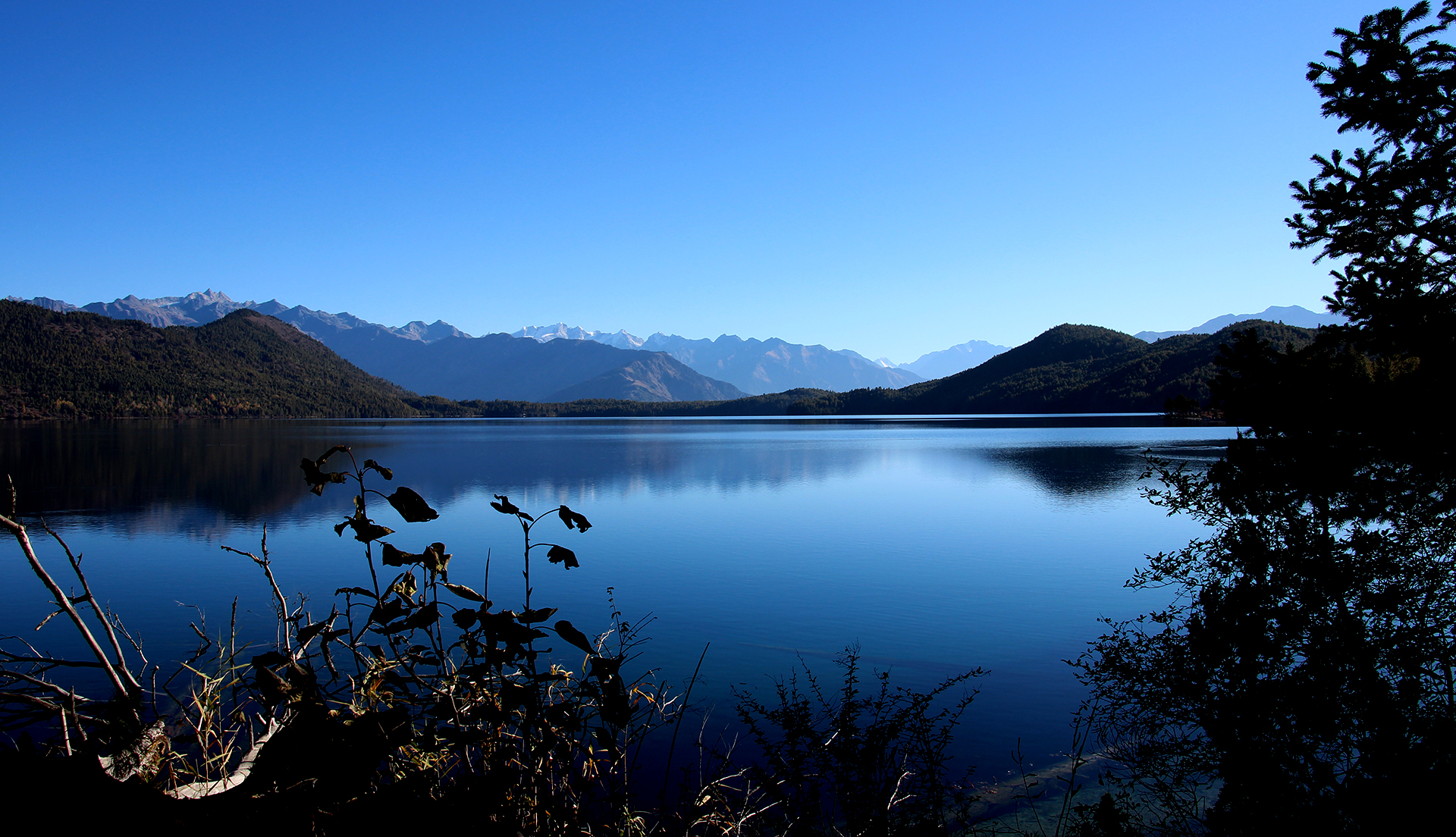
Yes, you can explore less-visited areas like the Rara Lake Trek, Makalu Base Camp Trek, or the Tsum Valley Trek for a more secluded experience.